


By Dennis Sherman - Contributor to the Burgundy Outlook
Edited by Jonathan Finch
SPONSORED CONTENT — The Burgundy Outlook is an independent weekly publication and receives financial support from burgundywine.com, an internet wine retailer that sells wines from Mâconnais and other regions. This newsletter is distributed free to readers thanks to this financial support. All editorial coverage, wine evaluations, and market strategies presented in this article are determined solely by the author and remain entirely independent of sponsor influence.
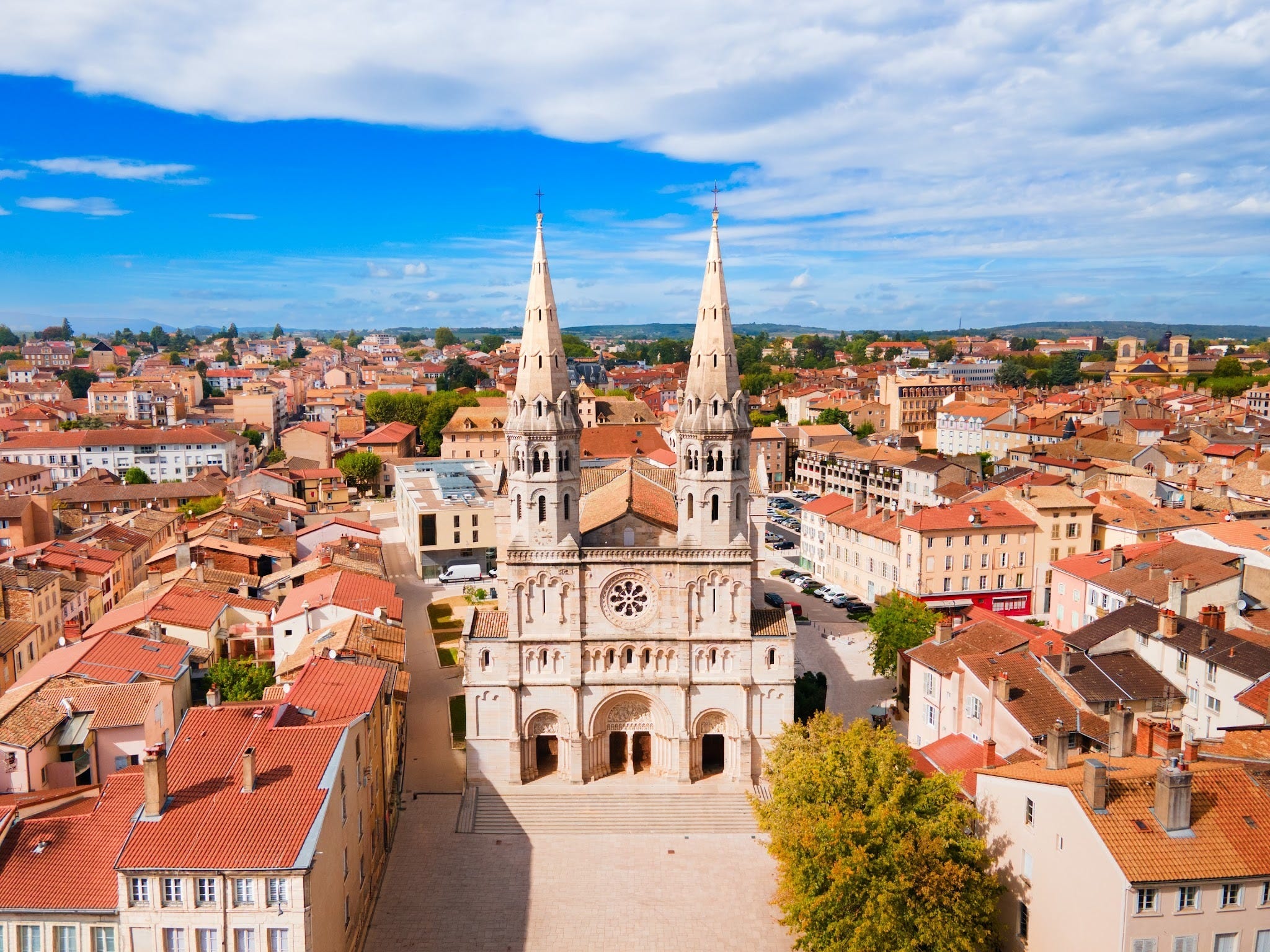
As white wines from the Côte d’Or climb further out of reach, buyers have been turning south for Chardonnay, and one region in particular has taken that extra demand while holding its own prices down. The Burgundy region quietly absorbing this year’s rising prices is... the Mâconnais, the stretch of limestone hills between Tournus and Mâcon at the southern end of Burgundy.
New figures from the Comité des Vins de Bourgogne, published on 30 October, show sales of white wines from Burgundy edging up in the year to July, with the Mâconnais and Chablis named as the reasons. It is happening in a hard year for the area’s winemakers, after hail in May and July, and with last weekend’s Hospices de Beaune sale reminding everyone of the cost of Burgundy at the very top.
What the Latest Burgundy Wine Sales Figures Show
The Comité’s numbers cover the twelve months to July 2026. Sales of Burgundy’s still wines fell 1.3 per cent to 166 million bottles, and red wine, most of it Pinot Noir, fell 4.9 per cent, a drop that reached all the way up to the Grand Cru wines of the Côte d’Or. White wine went the other way, rising 0.4 per cent, helped by regional appellations and by wines from the Mâconnais and Chablis. Crémant de Bourgogne grew 6.5 per cent and now accounts for 17 per cent of the region’s bottled sales, up from 12 per cent in 2021.
Those are small movements, but in a market where red Burgundy and almost everything else is going backwards, a rise of any size stands out.
Why the Burgundy Prices Gap Matters in 2026 and Beyond
The clearest way to see the gap in wine prices is in the official reference prices that French prefectures publish each year to set vineyard rents. For the 2024 harvest, Pouilly-Fuissé, the most prestigious white of the Mâconnais, was valued at about €817 a hectolitre and Saint-Véran at about €566. In the Côte d’Or, the same exercise put Puligny-Montrachet at €6,950 for a 228-litre cask, which works out at roughly €3,050 a hectolitre, and Meursault at around €2,720. Plain Mâcon sat at about €351, a little above the Saône-et-Loire’s Bourgogne Blanc.
So the wine in a cask of Puligny is worth close to four times the same quantity of Pouilly-Fuissé before anyone has bottled it. Both are Chardonnay grown on limestone, and that is the gap buyers have been learning to exploit. The Mâconnais is also one of the largest of Burgundy’s wine regions, with about 5,600 hectares of vines across 89 communes, and around nine in every ten bottles made there are Chardonnay, so there is wine enough to meet a shift in demand across the Burgundy market.
Holding Prices in a Difficult Year for Burgundy Wine
What makes the Mâconnais story unusual in today’s wine industry is that its winemakers have not used the extra interest to push for higher prices. Figures from the Burgundy wine board, reported by the regional agriculture office in March, showed the bulk price of Mâcon-Villages Blanc down 9 per cent and Bourgogne Blanc down 13 per cent, while the volume of white wine changing hands in bulk rose by 5 per cent over the season. The office’s own explanation was simple: the big-volume whites were cutting prices to stay attractive.
That restraint comes at a cost. Exports of the Mâconnais village wines fell 14 per cent in value over the same period, and the Comité reports that the value of Burgundy’s sales to the United States fell 21.2 per cent, which it linked to US tariffs on French wines. The 2026 season then brought hail to parts of the Mâconnais on 7 May and again on 16 July, and the growers’ federation asked the authorities for permission to buy in grapes to make up for losses. In the Côte d’Or the Comité has asked winemakers to hold Burgundy prices steady for the 2026 vintage. In the Mâconnais, bulk prices for the everyday whites had already been coming down for a season.
The Premier Crus and Auctions Changing the Picture
The region is also climbing the ladder. Pouilly-Fuissé gained 22 Premier Cru climats from the 2020 vintage, the first in the Mâconnais. More followed which take effect from the 2025 vintage. The rules for them are strict, with no machine harvesting, no chemical weedkillers and yields capped at 58 hectolitres a hectare. Under those rules the first 2025 Premier Cru wines could not be released before July 2026.
At the very top, prices are already moving. In February 2024 a bottle of Domaine Guffens-Heynen’s Pouilly-Fuissé Croux et Petits Croux 2020 sold at a wine auction for €1,064, a wine that had been released at around €90. That kind of jump belongs to the world of wine investment and the fine wine market, where the last few years have been hard on the region. In January the Liv-ex Burgundy 150 index, which tracks the secondary market for the region’s top wines, stood 33.7 per cent below the peak it reached in September 2022, at the end of the post-pandemic boom, the weakest price performance of any Liv-ex sub-index, as global demand from collectors and investors cooled.
By August, The Drinks Business was reporting that blue-chip names were helping Burgundy outstrip the Bordeaux wine indices again, so the long-running contest between Burgundy and Bordeaux may be turning. Domaines from Meursault and Puligny-Montrachet have been buying vineyards in the Mâconnais for the past two decades, drawn by sites capable of exceptional wines. Few Pouilly-Fuissé wines cost more than €50 a bottle in France, however, and for most wine lovers, who are not shopping for expensive wine, that is the price that counts.
The annual historic Hospices de Beaune auction took place at the weekend; you can read all about the latest action as the hammer fell in The Burgundy Outlook next week.
How to Buy Fine Wine from Mâconnais Now
For anyone who drinks white Burgundy and wants the best wine they can find for the money, the current position is an opportunity, though nobody can say how long it will last:
Look past Pouilly-Fuissé. The lesser-known Saint-Véran, Viré-Clessé, Pouilly-Loché and Pouilly-Vinzelles share much of the same limestone and are usually cheaper.
Try the new Premier Crus. The first Loché and Vinzelles Premier Crus from 2025 are a chance to taste a new classification at its starting price.
Buy from domaines that bottle their own wine. Much of the Mâconnais still sells grapes to cooperatives and négociants, and the estates that bottle their own tend to show their winemaking and their terroir most clearly.
Keep an eye on 2026. Hail cut volumes in parts of the region this summer, so scarcity may affect the best cuvées, which are likely to be in high demand when they reach the market.
A Quiet Shift in the Wine Market Worth Watching
The Mâconnais has spent decades being described as the place to find value in Burgundy, perhaps in any wine region in France, and for most of that time it was an easy compliment to pay. This autumn the figures give it substance. While red Burgundies struggle and Côte d’Or white prices sit near their highs, the south of the region is selling a little more wine, at prices it has chosen to hold, in a year that has given its winemakers little help. If demand for Burgundy keeps moving its way, it would be no surprise to see those prices rise.
About the author
Dennis Sherman is a Contributor at The Burgundy Outlook.
Commercial sponsorship disclosure
The Burgundy Outlook receives financial support from burgundywine.com, which sells wines from the region discussed in this article, and many others. This commercial relationship is disclosed so readers can take it into account when evaluating the article. The sponsor does not determine the article’s editorial conclusions or wine evaluations.