


By Stephen Lenehan - Contributor to the Burgundy Outlook
Edited by Jonathan Finch
SPONSORED CONTENT — The Burgundy Outlook is an independent weekly publication and receives financial support from burgundywine.com, an internet wine retailer that sells wines from many exciting young winemakers. This newsletter is distributed free to readers thanks to this financial support. All editorial coverage, wine evaluations, and market strategies presented in this article are determined solely by the author and remain entirely independent of sponsor influence.
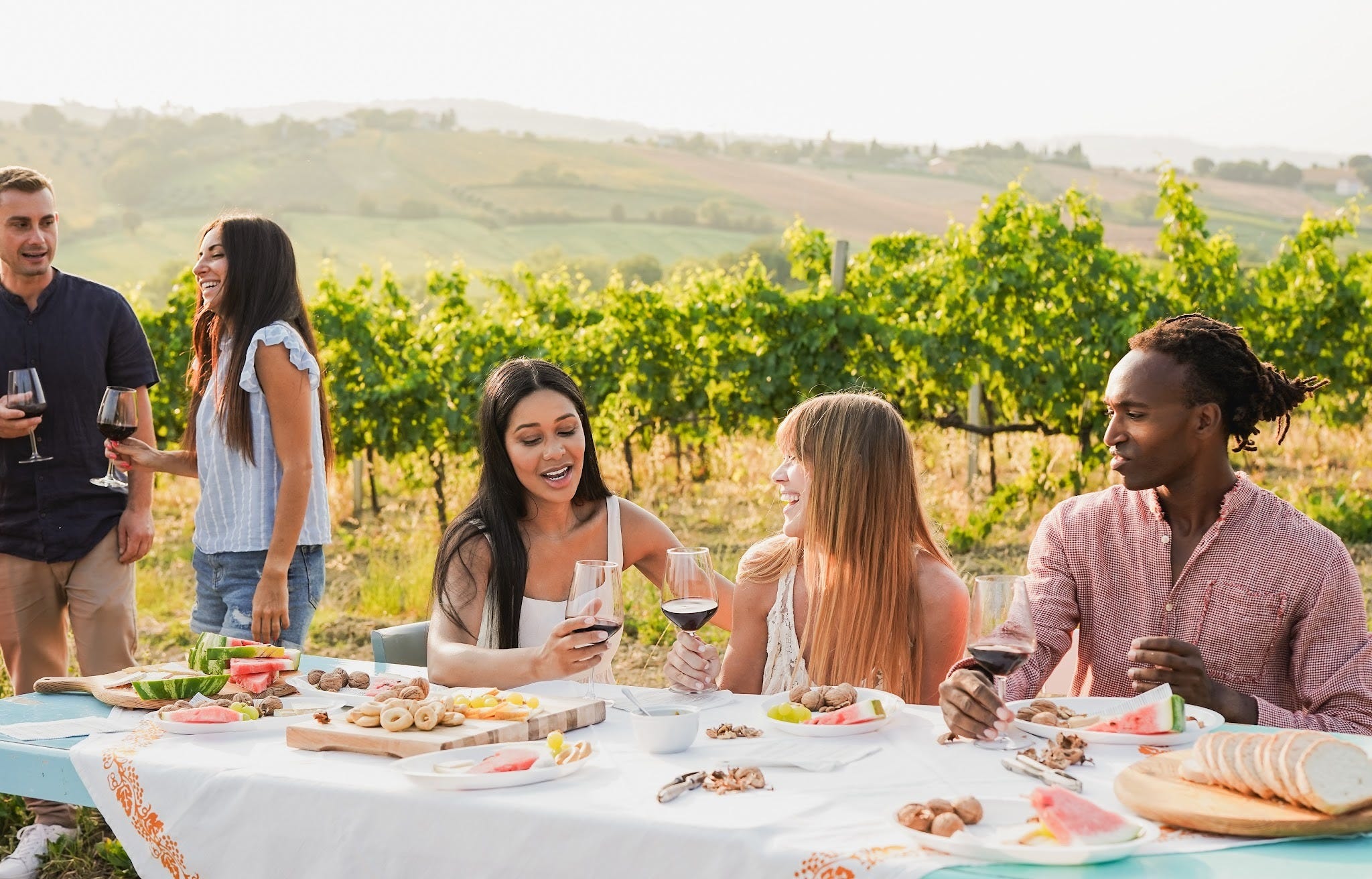
The young winemakers reshaping Burgundy right now are mostly family heirs, plus one newcomer from outside the wine world; in this edition we meet them and learn about their wine worlds.
William Whitehead has taken charge of Domaine Michel Rebourgeon in Pommard; Pierre Arcelain runs Domaine Michel Arcelain; Arthur Thibert is working alongside his father in Corgoloin; Julia Borgeot is the next generation at Domaine Borgeot; and Julien Cruchandeau has built his own estate in Chaux.
Between them they are changing how Burgundy is made, sold and talked about, through a new cuverie, a concrete egg for aging white wine and social media. This week we meet the young winemakers at domaines that many (perhaps not enough) know and love. They are taking over after the 2026 harvest, a small, early and uneven vintage that we looked at last week, and a year of frost, hail and heat tested them hard.
Introducing the Next Generation of Burgundy Winemakers
A Burgundy wine domaine rarely changes hands in a hurry. French inheritance law divides an estate equally between the children, so when a winemaker retires, one heir often has to buy out the others before the vines can stay together under a single name. The handover is a sort of financial puzzle as much as a family occasion, and it explains why so many domaines are currently deciding who comes next. The people who answer that question, this new generation of winemakers, will likely set the tone for Burgundy over the coming decades.
William Whitehead’s Sixteenth-Century Burgundy Wine Legacy
Domaine Michel Rebourgeon sits in the middle of Pommard and traces its history to the 16th century. It works 4.25 hectares in Pommard, Volnay and Beaune, all in the Côte de Beaune, and makes about 20,000 bottles a year. The legacy continued through Michel Rebourgeon’s daughter Delphine, who married Stephen Whitehead, a man with a wine business in the UK, and the couple took over the reins in 1996. Their son William is now running the domaine as they approach retirement. He was in the vines every day after school from the age of eight, and he was 21 when he first came to attention as a winemaker of note.
For years the domaine sold mostly from its own cellar door on Pommard’s main square, and it stayed small and discreet. William has changed that by using social media and good old word of mouth, and the domaine’s name now travels much further than the village. His Pommard ‘Cuvée William’ carries his name on the label, and at the top of the range sits a Pommard Premier Cru Les Rugiens, a vineyard many people rank close to a Grand Cru.
Pierre Arcelain and the Concrete Egg
Domaine Michel Arcelain has made wine through generations, including the years when phylloxera destroyed vineyards across Europe. It is now run by Michel Arcelain’s grandson Pierre Arcelain and his wife Charlotte, and their approach looks both forward and back. Their winemaking is traditional and the oak barrels are about 15 years old, so the wine shows its terroir before it shows any wood. Their white wine, however, spends 12 months in a concrete egg, one of the modern tools this generation has been willing to try, where the shape keeps the lees moving without anyone having to stir them. The vineyards are almost all planted with red Pinot Noir of the type known as Pinot Fin.
Arthur Thibert and Julia Borgeot: Two Children Joining the Family Domaine
The Thibert story is a good reminder that Burgundy has always renewed itself. Pierre Thibert was not born into a wine family. He started at the Lycée Viticole de Beaune at fifteen and founded his own wine estate in Corgoloin in 1989, aged 23, renting small parcels and slowly building up about four hectares. His son Arthur became his partner in 2018 and has since overseen a new winery, known in French as a cuverie, and more sustainable farming, while keeping the single-vineyard focus his father built, including a Nuits-Saint-Georges Premier Cru from Rue de Chaux.
Julia Borgeot’s father Pascal and his brother Laurent, however, are fourth-generation winemakers at Domaine Borgeot. Julia is now an impressive winemaker in her own right, working with vineyards in Santenay and Chassagne-Montrachet, a village that shares its hillside with Puligny-Montrachet and grows Chardonnay and Pinot Noir side by side. The domaine’s Premier Cru Clos St Jean, just below the village quarry, is one many count among the finest in Chassagne, and the family has every reason to be pleased with how the fifth generation is shaping up.
Julien Cruchandeau and the Route to the Vineyard From Outside
Not every new name in Burgundy comes from a wine family. Julien Cruchandeau began in hospitality in France and England, took a course in oenology and viticulture in Beaune, worked in Gevrey-Chambertin and became estate manager of a domaine in Bouzeron. In 2003 he started his own estate and in 2009 moved to Chaux, behind Nuits-Saint-Georges, where he champions Aligoté and the Hautes-Côtes de Nuits. He works by what the French call lutte raisonnée, a middle path rather than farming biodynamically or seeking organic certification, and he harvests entirely by hand.
His Bouzeron Massale comes from old vines taken from the vineyard of Aubert de Villaine, and it is deep and honeyed enough to be mistaken for a Chablis Premier Cru. He is also a drummer and pianist who toured Europe in the early 2000s and ran his own record label until wine took all his time from 2010. He is not a recent arrival, but his route into the region shows how refreshingly open the door has become.
What Is Actually New About the Wine World’s New Generation
Observers who follow the region closely say the younger winemakers, Burgundy’s modern innovators, are keeping faith with Burgundy’s traditions rather than overturning them. Many have worked abroad, they have seen how other wine regions do things, and they use technology to keep in touch with new ideas. Then they come home and make wine in the Burgundian way, which is why some people who know the region well describe the new Burgundy as more faithful to tradition than the old. Farming is where the change shows most plainly.
Organic and biodynamic practices have spread across Burgundy over the past twenty years, and it is often the incoming generation that makes the switch: Domaine Jean Féry works to biodynamics and entered organic conversion in 2008, Domaine Thierry Mortet has been organically certified since 2007, and the Hospices de Beaune has been organically certified since the 2024 vintage. In the past some established domaines relied on a famous name or a Premier Cru or Grand Cru label, because Burgundy was all they knew. The newer winemakers have less to hide behind, and they have to win people over one bottle at a time. One young winemaker has observed, only half joking, that if you do something wrong in Burgundy you are banned for three generations.
There is a commercial side to this too. The wine trade worries that younger drinkers are drinking less, and one reason is that they seldom see people like themselves making it. Much of the wine talk that once happened across a cellar table now happens online, and a winemaker in his twenties who shares what is happening in the vineyard can reach them directly.
How to Buy From the Next Generation of Burgundy Winemaker
Younger domaines are small, which shapes how wine lovers should approach them:
Start with the regional wines. A Bourgogne Rouge or a Côte de Nuits-Villages is the cheapest way to see a domaine’s style, and the best of them drink well above their appellation.
Buy early. William Whitehead’s domaine makes about 20,000 bottles in a normal year. After a small 2026 crop, allocations will be tighter still.
Ask what has changed. A new cuverie, a concrete egg or a move away from herbicides all show up in the glass, and the winemaker will usually be glad to explain.
Follow them online. William Whitehead built his profile on social media, and following a young winemaker is often the quickest way to hear about a new release.
A Region Handing Itself On to a New Generation
On Sunday 15 November the Hospices de Beaune holds its 166th wine sale in the heart of Burgundy, a reminder of how old this region’s institutions are. The weekend around it, Les Trois Glorieuses, opens the evening before with a dinner at the Château du Clos de Vougeot. The winemakers in this article remind us that the region’s legacy carries on because someone is willing to take over the vines and the cellar when the previous generation steps back. Anyone who gets to taste the wines from one of them is tasting something made by a person who inherited a name and is now building a reputation of their own.
About the author:
Stephen Lenehan is a Contributor at The Burgundy Outlook.
Commercial sponsorship disclosure:
The Burgundy Outlook receives financial support from burgundywine.com, which sells wines from many of the young winemakers discussed in this article. This commercial relationship is disclosed so readers can take it into account when evaluating the article. The sponsor does not determine the article’s editorial conclusions or wine evaluations.
Nice to put faces to a few names I've only seen on lists. Cruchandeau's Bouzeron is going on mine.