


By Dennis Sherman - Contributor to the Burgundy Outlook
Edited by Jonathan Finch
Sponsored content
The Burgundy Outlook explores one idea each week, drawing on the places, people, history and lived experience that make Burgundy distinctive. This independent publication is supported by commercial sponsorship from burgundywine.com, which helps us make it freely available to readers. Our editorial coverage and opinions remain independent of our sponsor. If you enjoy reading The Burgundy Outlook, please consider sharing it with a friend.
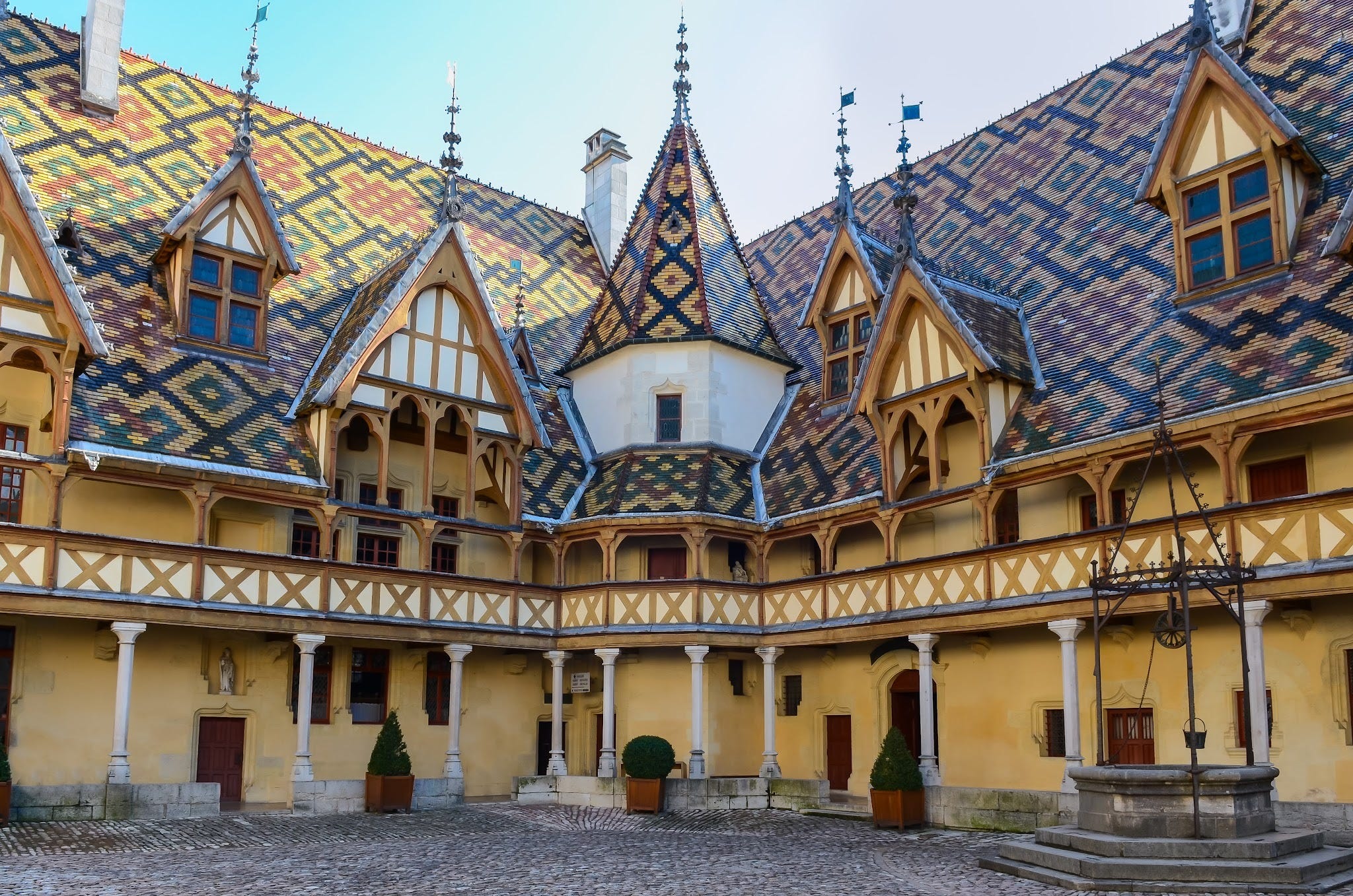
There’s a particular moment at Burgundy’s Hospices de Beaune auction, the region’s most famous wine auction, when the atmosphere changes. A cuvée appears in the catalogue, the bidding begins, and suddenly an entire room full of people are focused on a single barrel of wine that will not be ready to drink for another year or more. The bids rise, the auctioneer keeps the pace moving, and then, almost unexpectedly, the hammer falls. A new owner has taken responsibility for a piece of Burgundy’s future.
At the 166th Burgundy Hospices de Beaune Wine Auction
That moment was repeated throughout the 166th Hospices de Beaune auction on Sunday 15 November - the most famous wine auction in the world. But this year’s sale was different. There was considerably less wine to sell, the vintage had been harvested exceptionally early, and the market sent a clear message: demand for the reds remained strong, while the prices of great white Burgundy underwent a substantial correction.
The sale raised €14.4 million at the hammer, (€15.5 million including fees), compared with €18.8 million last year. But those headline figures tell only part of the story. The more interesting story lies in what happened to individual wines, who was prepared to bid for them, and what the results reveal about Burgundy today.
A Small 2026 Vintage in the Barrel, an Early Harvest in Burgundy
The scale of the sale had been signalled well before the first bid. The Domaine des Hospices de Beaune harvested its 2026 grapes between 15 and 24 August, the earliest in the estate’s history. After 53 days of heatwave conditions, yields were low, leaving just 348 barrels of red and 86 of white wine for auction. In 2025 the offering had been 428 red barrels and 111 white.
To put it another way, buyers were competing for a much smaller crop. Such scarcity inevitably shaped the atmosphere and the results this year.
Guillaume Koch, director of the Hospices civils de Beaune, the organisation that runs the hospital and its estate, noted that the outcome was in line with expectations given the reduced volumes.
Succinctly capturing the mood, the domaine’s estate manager Ludivine Griveau said, “Cette vente est à l’image du millésime” — the sale mirrors the vintage.
It was a useful indication that the Hospices auction isn’t simply a measure of the wine market; it’s also a snapshot of a particular year in the Burgundy vineyard: its weather, its yields, its quality and the confidence buyers have in what is being made.
Reds Take the Lead As White Wine Prices Correct
This year perhaps the most striking market signal came from the difference between red and white wines.
The average price of a barrel of Burgundian red wine rose by 5 per cent to €28,931. By contrast, white wine fell sharply. The average white barrel sold for €39,893, against €58,580 last year — a decline of almost a third.
The Hospices described this as a correction in the prices of great white wines, following several years in which white Burgundy had seen some of the strongest increases.
The overall average across all barrels was €31,156, down 8 per cent, but still above €30,000 for the sixth consecutive year.
Before the auction, we’d wondered whether the strength of the white wine sales at the Hospices de Nuits auction in March would be repeated in Beaune, but it wasn’t. This time, the reds took the honours.
Now, that doesn’t mean the market has turned against white Burgundy. It suggests that buyers are becoming more selective about the prices they are prepared to pay, particularly after a period of exceptional increases. In a smaller vintage, the strength of the red results was especially notable.
Twenty Minutes, One Barrel and €1 Million for Charity
The most theatrical moment of the afternoon belonged, as it often does here, to the Pièce des Présidents, also called the pièce de charité — the Hospices de Beaune charity barrel, which is auctioned each year for good causes.
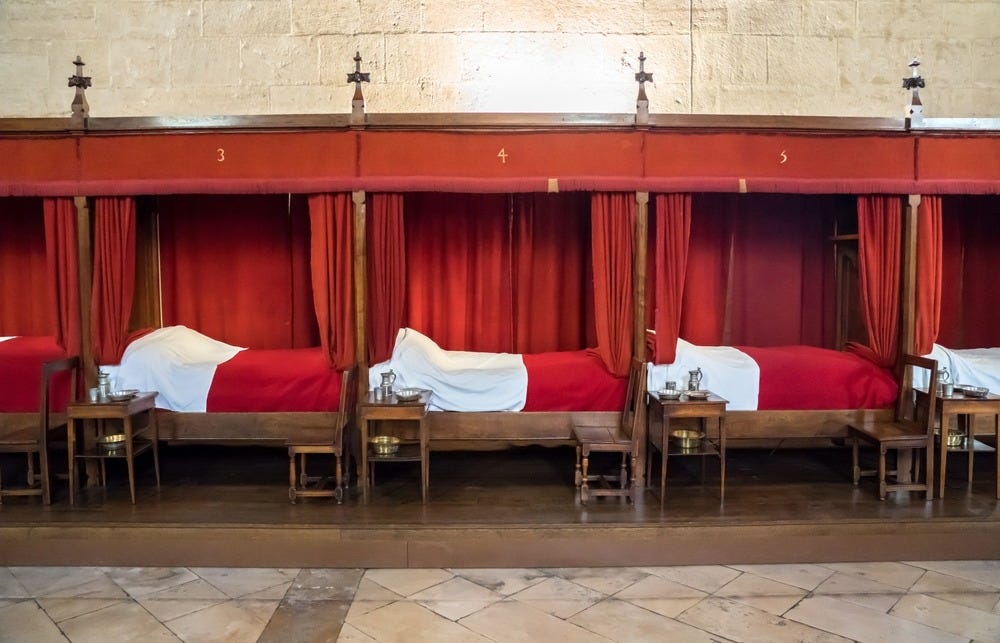
For the first time, the charity wine was a Clos de Vougeot Grand Cru, made from vines given to the Hospices by the Faiveley family. The worthy beneficiaries were ARSLA, which supports people living with motor neurone disease, and DEBRA France, which works with families affected by epidermolysis bullosa, a rare and painful skin condition. Children living with the condition are sometimes known as “butterfly children” because of the delicate nature of their skin.
The bidding frenzy lasted nearly twenty minutes. Comedians Eric Judor and Ramzy Bedia and actress Mélanie Doutey helped sustain the energy in the room, but the numbers were serious. The final hammer price was €770,000 — the third-highest price in the auction’s history — to Brazilian buyer Alaor Pereira Lino of Anima Vinum, who had also bought the charity barrel in 2024.
Then the Faiveley family added a further €230,000 to the proceedings, in an extraordinarily generous final gesture, bringing the total raised for the two charities to €1 million.
The barrel itself did not break the record, which still stands at €810,000 paid for a Corton Grand Cru in 2022. But the million-euro charitable total was a remarkable achievement, and is a sign that the charity auction’s purpose extends well beyond the wine trade.
Where the Records Fell at Auction
Even with fewer barrels available this year, several individual cuvées attracted exceptional bids and set new auction records.
Mazis-Chambertin Grand Cru, Cuvée Madeleine Collignon: €185,000, a record for the cuvée.
Meursault Premier Cru Les Genevrières, Cuvée Philippe le Bon: €75,000, a new record for the cuvée despite the wider fall in white Burgundy wine prices.
Pommard Premier Cru Les Épenots, Cuvée Dom Gobelet: €40,000. Four out of the five cuvées from the Pommard appellation, including village and Premier Cru wines, reached new highs.
At this year’s auction, the top individual buyer was well-known Beaune négociant Albert Bichot, spending €3.1 million on 82 barrels.
All in all, the auction attracted 357 registered bidders from thirty countries. The sale took place in the Halles de Beaune, the town’s covered market, and buyers could also participate from the Salle des Pôvres at the Hôtel-Dieu or follow the sale from Sotheby’s room in New York. The international reach of the auction is now truly a part of its identity: a historic Burgundy institution, but one watched and contested by buyers across the wine world.
The Feeling of Being in the Room
It rained on the streets of Beaune on Sunday. We attend the auction every year, and have done since 2013, going to the pre-sale tastings and buying barrels on behalf of groups of clients who share the wine between them. The details change from one year to the next, but the feeling is remarkably consistent.
There’s the tingle of anticipation as you wait for your cuvée to appear in the catalogue. Then the concentration as the bidding begins, and the peculiar feeling that a few seconds can stretch into several minutes. Then comes the hammer-fall and the knowledge that you have bought something that does not yet even exist as a finished wine. It will need to be raised, aged, prepared and bottled before it reaches anyone’s table, probably in late 2027 at the earliest.
As a wine merchant buying on behalf of clients, burgundywine.com also invested in barrels at the auction this year. Its purchases were part of the day’s wider activity, alongside those of négociants, private buyers and international wine collectors.
But what stays with you after the auction isn’t just the price of a particular barrel. Rather, it’s the sense of participating in something much older than anyone in the room. This charity wine auction in Burgundy began as far back as the year 1859, and the proceeds continue to support the hospital, which still cares for patients in Beaune and the surrounding area, to this day. This year, the money raised — aside from the charity barrel — will help fund the hospital’s digital modernisation, with investments including a new electronic patient record system, a new laboratory and more advanced imaging equipment.
There’s something fitting about a tradition that has grown up around the sale of wines from Burgundy, helping to pay for the next generation of healthcare in the town.
After the Hammer Falls at Hospices de Beaune Wine Auction
The auction may be over, but the work of making the wine isn’t done yet. The barrels of Hospices wines leave the cellars for the négociants who bought them, where the wine is aged and prepared before bottling. What will their eventual character be? That will depend on many factors: the vintage, the individual cuvée and the decisions made during that process.
We will return to this in our issue of 29 December, as we follow the journey of a Hospices barrel from the auction room to the bottle.
For now, the 2026 sale leaves us with a few clear impressions. A small and early vintage didn’t dampen demand for the reds. The prices of white Burgundy, after several years of such rapid increases, came back towards earth. And once again the auction demonstrated that Burgundy is not simply something to buy and then drink. It is something that so many people invest in, share, follow and, in the case of the Hospices, use to support a much wider community.
That’s perhaps the most continuing appeal of the sale. The hammer may fall in a matter of seconds, but the story of each barrel continues long afterwards.
About the author: Dennis Sherman is a Contributor at The Burgundy Outlook.
Commercial disclosure
The Burgundy Outlook receives financial support from burgundywine.com. Continuing a tradition started in 2013, the company once again bought barrels at this year’s Hospices de Beaune auction to offer smaller shares to its clients. Its commercial activities are separate from the editorial decisions and independent reporting of The Burgundy Outlook.