


Burgundy Wine and Harvest 2026
For the better part of three weeks, Agnès Paquet walked the same rows in Auxey-Duresses almost every afternoon, tasting a grape here and there, saying almost nothing about what she found. Then, in the last week of August, the waiting ended. Pickers arrived at dawn, the sorting table went up beside the cellar, and a vineyard that had stood mostly quiet all season filled, almost overnight, with people moving row by row, calling to each other across the vines.
As we reported last week, 2026 became the earliest recorded start to a still-wine harvest in Burgundy’s history, breaking a record that had stood since 1556. That story was about the region as a whole — the harvest dates, the data, the seven centuries of Beaune archives behind them. This one is about what that record actually looked like from inside a single domaine, in the days before the decision was made and the morning it finally was.
The Question That Kept Every Burgundy Winemaker Awake
The debate that resurfaces every year in Burgundy — pick early and preserve acidity, or wait for full phenolic maturity and risk the weather turning — carried unusual weight this August, for both the Chardonnay and the Pinot Noir grown across the appellation. With ripeness arriving faster than almost anyone could remember, the customary anxiety about not being ready in time gave way to a different kind of pressure: knowing the fruit was ready, and deciding whether to trust that it had truly finished, or whether one more day in the sun might still be worth the risk.
There was no formula that resolved it. A refractometer could tell Agnès the sugar levels in the juice to a precise number, but it could not tell her whether the seeds had stopped tasting bitter, or whether the skins in the fruit cluster had developed the particular savoury depth that separates a good Auxey-Duresses from a forgettable one. That judgement came, as it always does, from a mouth and a memory — from having tasted enough Augusts to know the difference between a grape that is ready and one that only looks ready.
Walking the Vine Rows, One Last Time - and Avoiding Hail
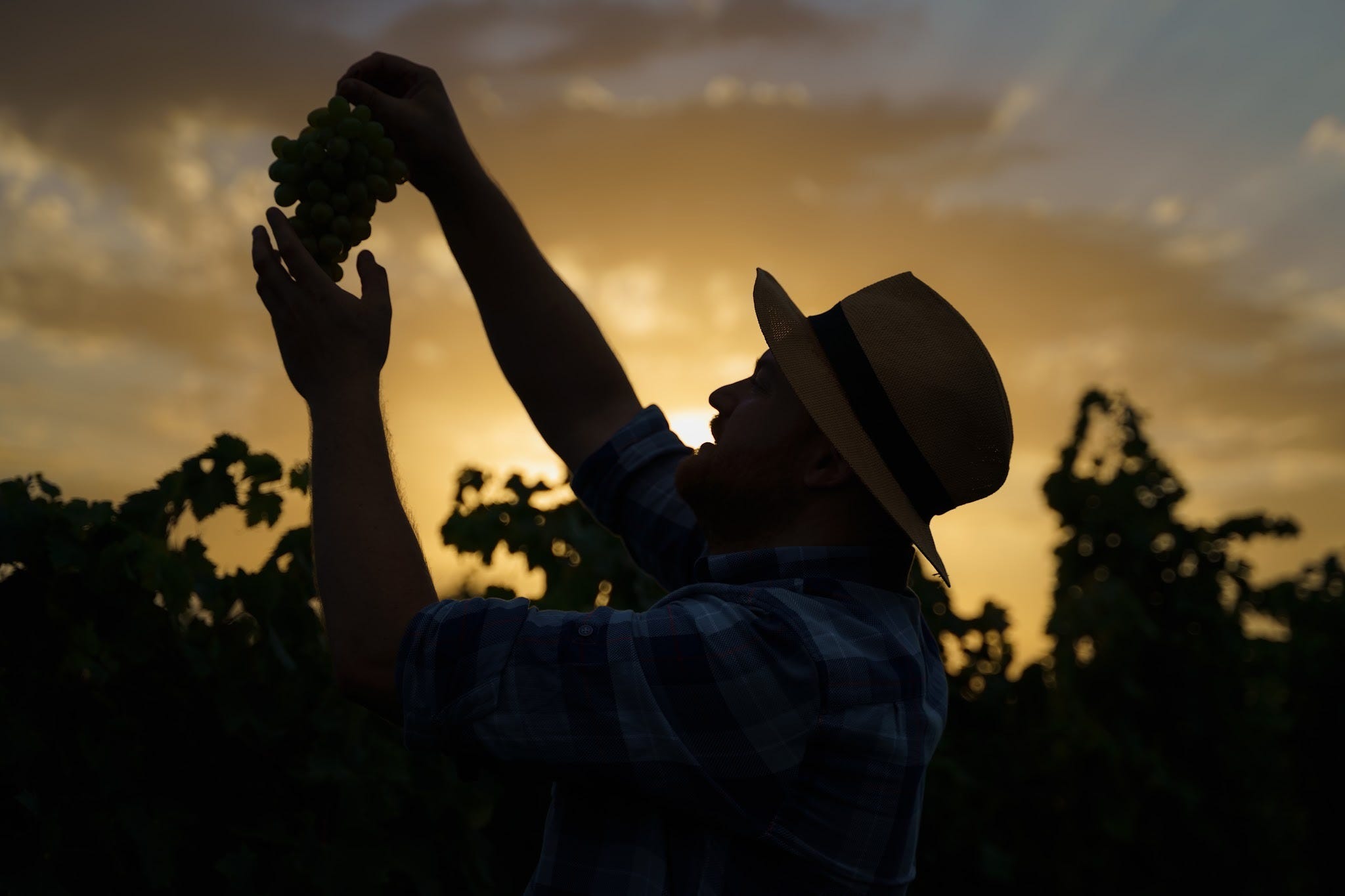
Her routine in those final days rarely changed. She would start at the top of a parcel and work down, picking a berry from the shaded side of the bunch and one from the side that had had full sun, because the two rarely ripen at the same pace. She rolled each one between her fingers before biting into it, checking the give of the skin. She chewed the seeds — a habit that stained her teeth faintly purple by the end of most weeks — feeling for whether the bitterness had softened into something closer to walnut, and pausing every so often simply to smell a handful of berries for the aromatic lift that tells her as much as any instrument.
“The measurements tell you what the grape is doing chemically,” she said, looking back on those last afternoons of waiting. “They don’t tell you what it tastes like. You still have to taste it.”
It is a distinction that sounds almost obvious until you understand how much was riding on it: an entire year’s income, and a wine that will carry her name for as long as it exists.
Weather forecasts were checked obsessively through that stretch — not just the app on her phone, but the sky itself, the wind direction, the particular colour a Burgundian evening takes on before a storm. This was, after all, a hot and dry summer, drier and more demanding on the vines’ water reserves than the far more humid 2025 had been, with drought stress and dryness building steadily from Chablis in the far north, down through the Côte de Nuits, to Beaujolais in the south. The vines had flowered unusually early too, back in May, setting the whole season on a trajectory built to begin early almost from the start — one the young vines on some of her more recently replanted parcels felt especially keenly.
It had also brought vegetation fires close to Nuits-Saint-Georges, Volnay and Dijon, all extinguished before they reached a single vine and without causing significant damage to a single row — a much smaller crisis than the one Bordeaux faced further west, but a real reminder of how quickly a season can turn. Hail remained the deeper fear behind all of it: a single hailstorm through this part of the Côte de Beaune in late August can strip a vineyard bare in minutes, something every winemaker here has either experienced directly or watched happen to a neighbour.
Assembling a Grape Harvest Team, Once the Date Was Set
Nothing at this thirteen-hectare domaine is mechanised; every parcel is picked entirely by hand. That meant the final days before harvest involved a second, equally pressing task alongside the daily ripeness checks: finding enough people to actually bring the grapes in.
In the end, a team of just over a dozen pickers assembled — some seasonal workers who return to the countryside year after year, treating the Burgundy harvest almost as an annual reunion; others students, neighbours, and one or two curious visitors who had built a trip to Burgundy around the season and asked, once too often, what it might be like to actually do this. Rubber boots, secateurs and small plastic picking crates were found, cleaned and distributed from the small winery store where such things are kept between harvests. The sorting table was set up and tested. None of it could happen until the picking date was fixed — and the picking date could not be fixed until the fruit itself said it was ready.
The Morning It Finally Began and Work Begins in the Winery
The call came with very little ceremony, as it usually does. Agnès tasted one more row, made one more phone call to check the extended forecast, and simply decided. Word travelled fast through the village once the date was set; neighbouring winemakers, from Volnay to Meursault, were comparing notes on their own tastings that same week, treating her decision as one more data point in their own.
The following morning, the vineyard that had stood mostly untouched all season filled with people, crates, and the particular noise of a harvest finally underway. What looked from the outside like a single joyful day was, from the inside, the release of three weeks of accumulated tension — the end of a long, quiet negotiation between a winemaker and a vine that had, this year more than most, moved faster than anyone quite expected.
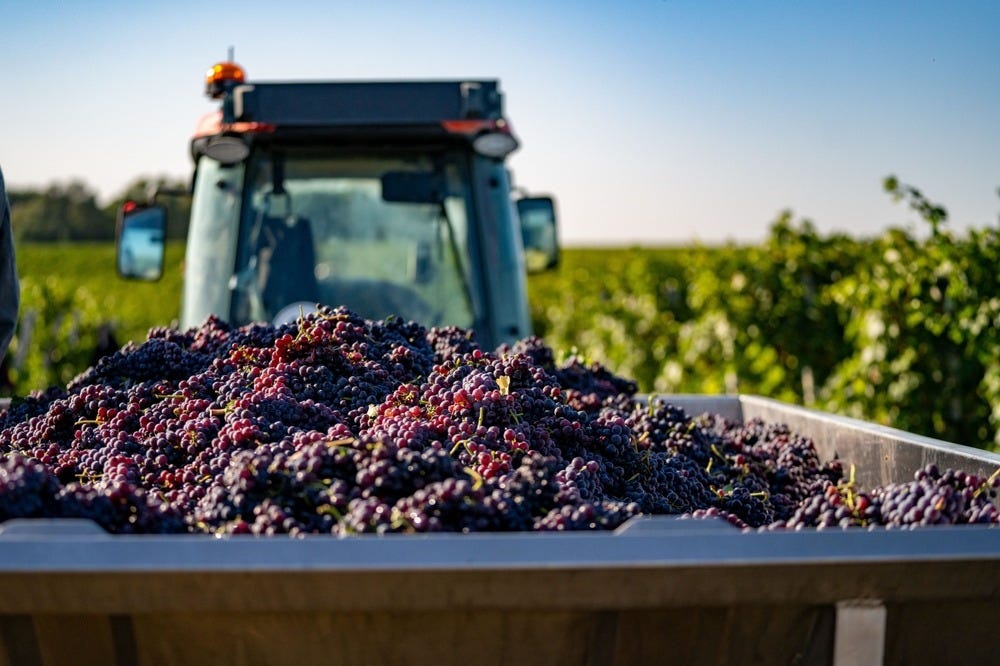
By the time the last crates came in, the early signs, at this earliest of stages, were genuinely encouraging. The fruit that reached the sorting table was healthy and well concentrated, with sugars that confirmed what the tasting had already suggested, and an acidity that had held up better through the heat than Agnès had allowed herself to hope for in July. None of it can be called final — fermentation and élevage are still in their early stages, and have a great deal left to reveal — but the early read, at least, was a good one.
What This Means for the Wine Bottle You Will Eventually Open
Every vintage Burgundy produces begins exactly this way: not with the first grape picked, but with the accumulated judgement of hundreds of small decisions like these, made under real uncertainty, by people who will not know for certain whether they were right until the wine is finished — sometimes not for another year or more after that.
The Hospices de Beaune tasting each November has, in recent years, become one of the first widely trusted signals of how a given vintage actually turned out. Until then, what happened in domaines like Agnès’s over these final August days remains largely invisible to anyone who was not standing in the row beside her.
It is worth remembering, the next time a bottle from this vintage reaches your table, that the wine inside it was not simply grown. At some point, in the last week of a long, watchful August, someone walked the rows, chewed a few seeds, checked the sky, and made a call — knowing that everything the wine would eventually become depended on getting that one moment roughly right.
I love that all the measurements still end with someone walking the rows, chewing the seeds and deciding whether the fruit actually tastes ready. The data can narrow the uncertainty, but someone still has to make the call.